
Industrial & Commercial
The trend in electronics is clearly towards intelligence, mobility and convenience. Due to high energy density, flexible design, safety and longer runtime than other types of batteries lithium ion batteries are rapidly replacing Ni-Mh/Ni-Cd as the preferred power source for intelligent electric devices. The use of lithium ion batteries has become commonplace in many electronics due to a range of advantages over other battery technologies. One of the most significant advantages of lithium ion batteries is their high specific energy. Specific energy is also referred to as massic energy or gravimetric energy density. It is simply energy per unit mass. It is a measure of how much energy a particular battery contains in comparison to its weight. A battery with high specific energy compared to its counterparts means that it can provide a higher level of energy without sacrificing its weight. It is essentially lighter. Lithium ion batteries have higher specific energy than other types of non-lithium ion rechargeable batteries. They can also be designed and fabricated with a wider range of energy densities in accordance with different weights.
Industrial
Industrial equipment tends to have different battery requirements than consumer products due to power needs, safety, operating environment conditions etc. With our comprehensive expertise and extensive experience in the industry customers can rely on us to get advanced power solutions and full services for their industrial projects including custom battery/charging engineering, prototyping, testing, approvals, transportation and mass productions.
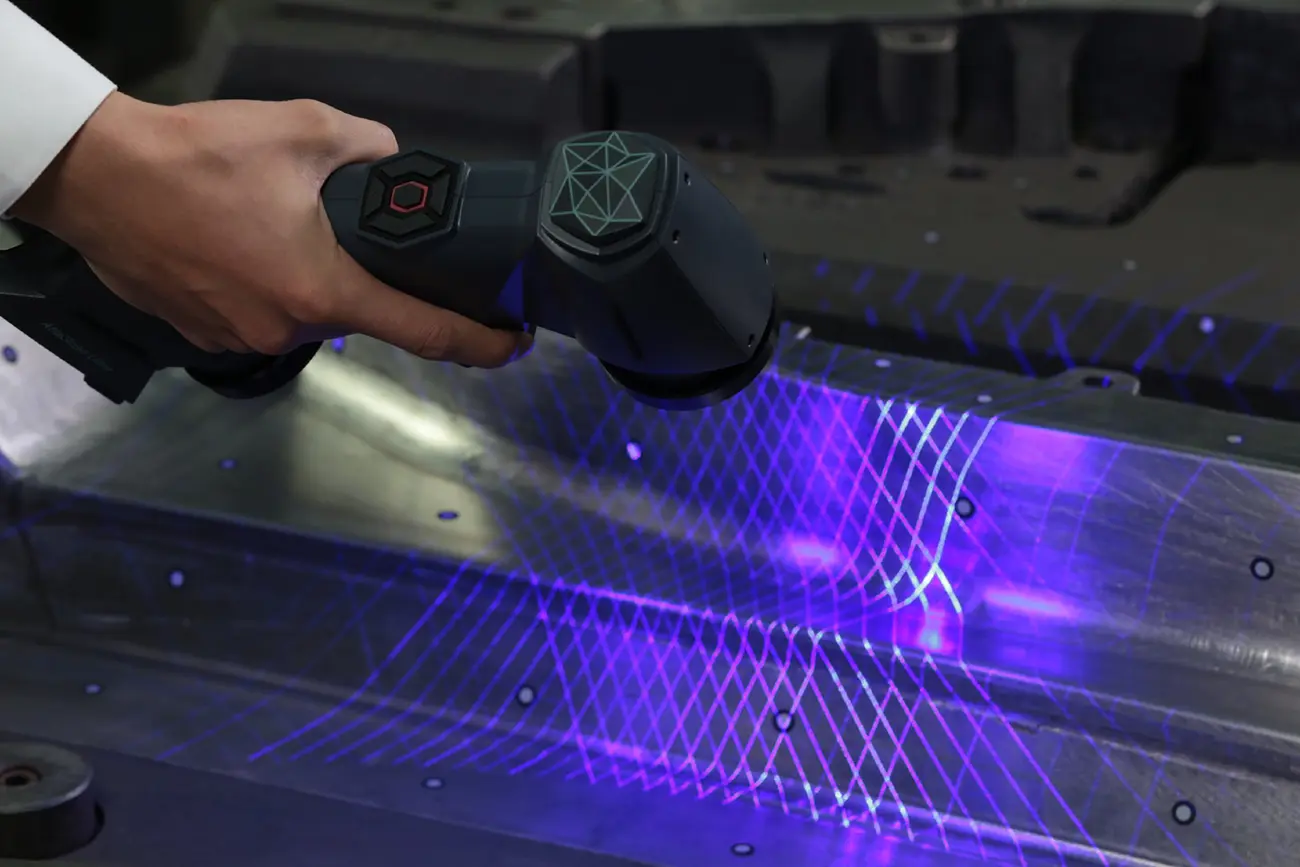
We focus on lithium batteries and have consistently delivered high performance lithium-ion batteries for a wide range of industrial applications to meet customers’ increasing demand for smaller, lighter, long lasting and more portable products. The applications include industrial robot, measurement instrument, power tool, GPS, image capturing, utility metering, mining light etc.
Power Tools
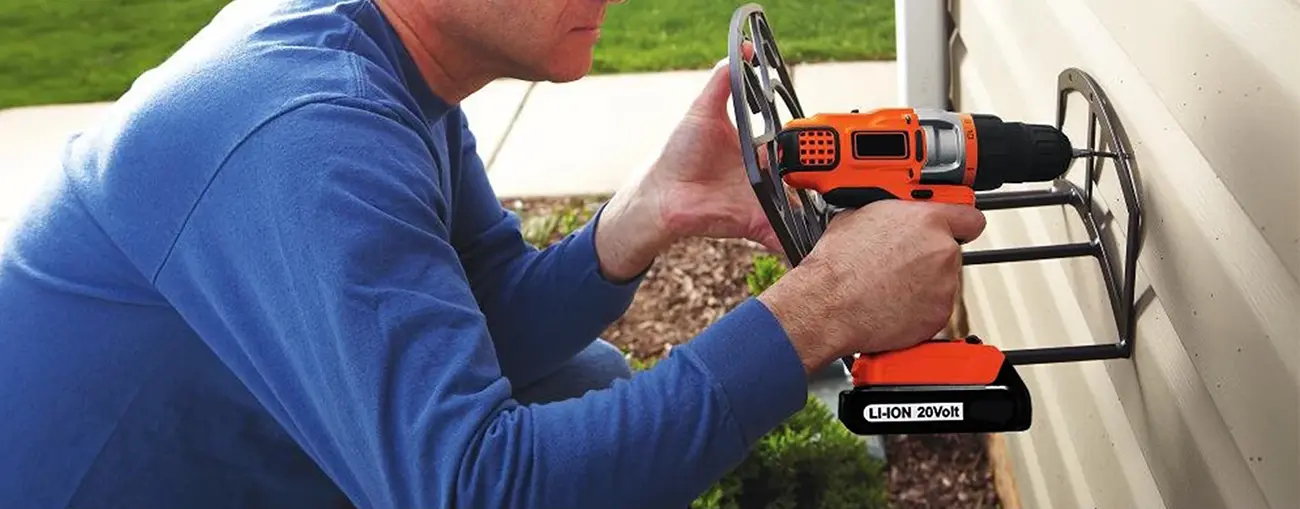
Choosing the best battery for power tools is crucial for ensuring optimal performance, durability, and convenience. There are several battery options available in the market. Lithium ion, nickel cadmium, and nickel metal hydride are three most comon types of batteries for power tools. Each type of battery brings its own set of specifications and performance, which can make choosing the right one a challenge.
Lithium ion batteries have the highest energy density, meaning they can store the most power in a smaller and lighter package. Nickel metal hydride batteries come in second, followed by nickel cadmium batteries. Lithium ion batteries provide consistent power output throughout their discharge cycle, ensuring optimal performance until the battery is depleted. Nickel cadmium and nickel metal hydride batteries also offer reliable performance, but their voltage may drop gradually as the battery discharges. Lithium ion batteries have a longer life cycle compared to nickel cadmium and nickel metal hydride batteries. They can be recharged and used hundreds of times without a significant decrease in capacity. Nickel cadmium batteries have a good cycle life, while nickel metal hydride batteries have a shorter overall lifespan. Lithium ion batteries have a low self-discharge rate, allowing them to hold their charge for an extended period. Nickel metal hydride batteries also have a relatively low self-discharge rate. In contrast, nickel cadmium batteries have a higher self-discharge rate and may lose their charge more quickly when not in use. Lithium ion batteries offer fast charging capabilities and can reach full charge in a relatively short period. Nickel cadmium and nickel metal hydride batteries may take longer to charge compared to lithium ion batteries.
Medical
Medical equipment is gradually developing towards miniaturization and portability to meet mobile work such as on-site rescue and patient transfer. Lithium-ion batteries have the advantages of high energy density and wide operating temperature range, which enable medical treatment to meet the requirements of fast, portable, lightweight, and mobility. It is widely used in monitors, ventilator, anesthesia machine, physical therapy, rehabilitation equipment, etc.
Thanks to characteristics of high energy density, safety, flexible design, and longer running than other kinds of batteries, lithium-ion batteries have made this chemistry more suitable for medical devices. They are fast replacing Ni-MH/Ni-Cd cells as the preferred power source used on these devices and have quickly taken over the medical market in the last few years. These applications include wearables, Bluetooth, toothbrushes, and other portable products with the characteristics of light weight, compact size and portability.