
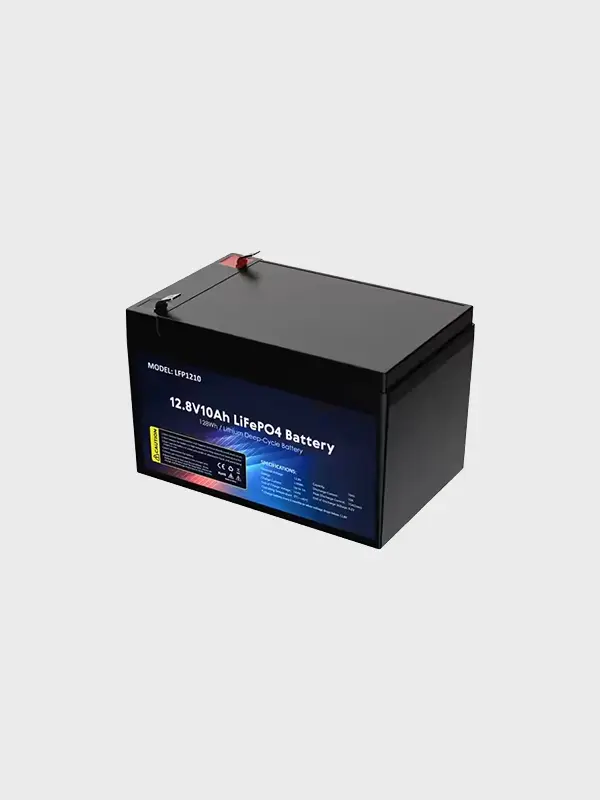
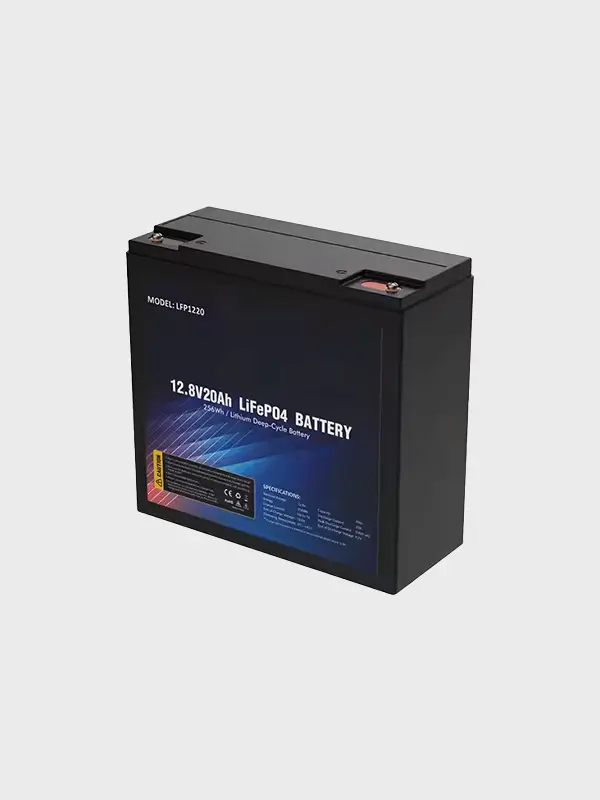
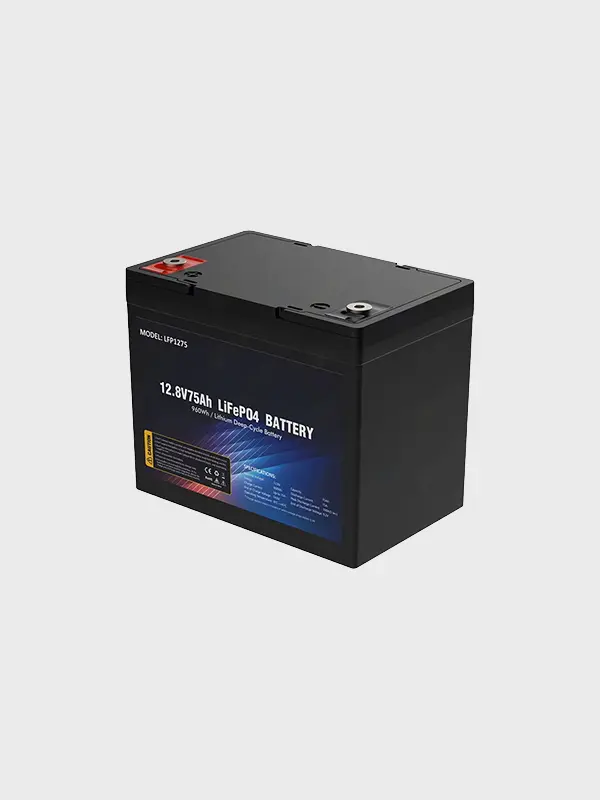
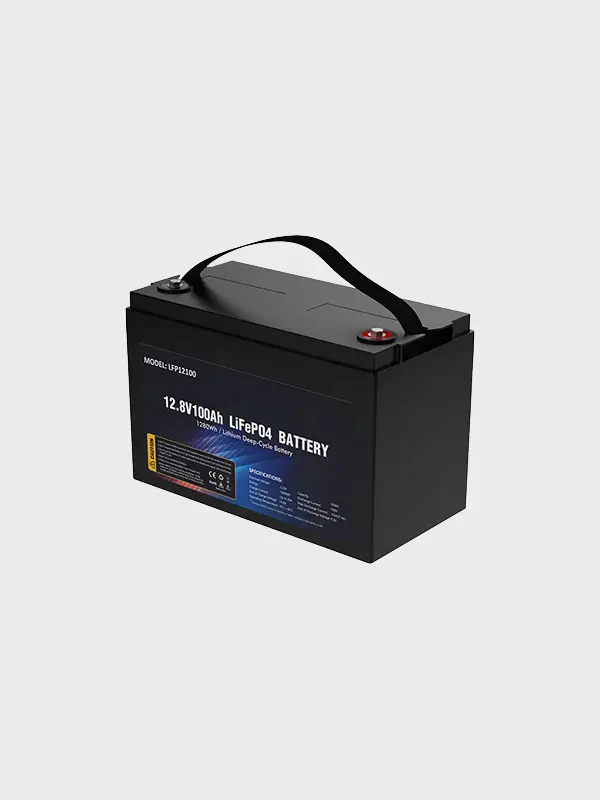
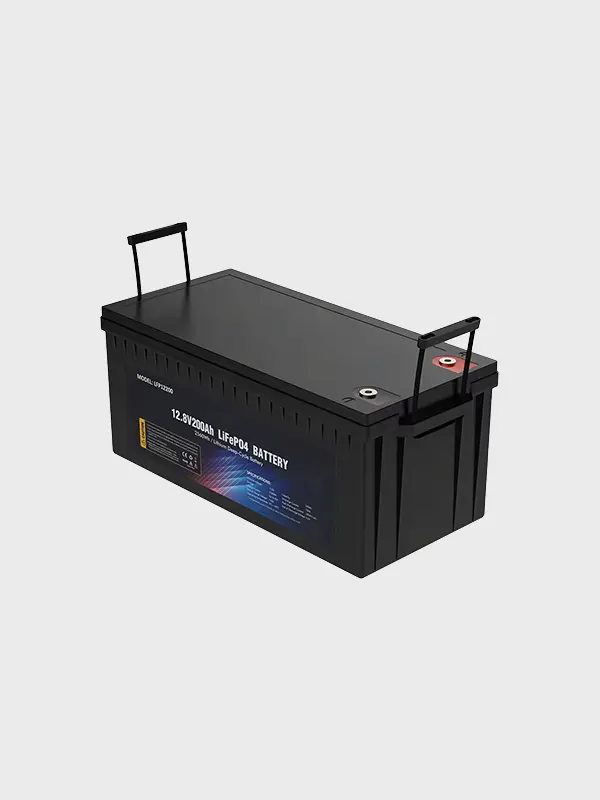
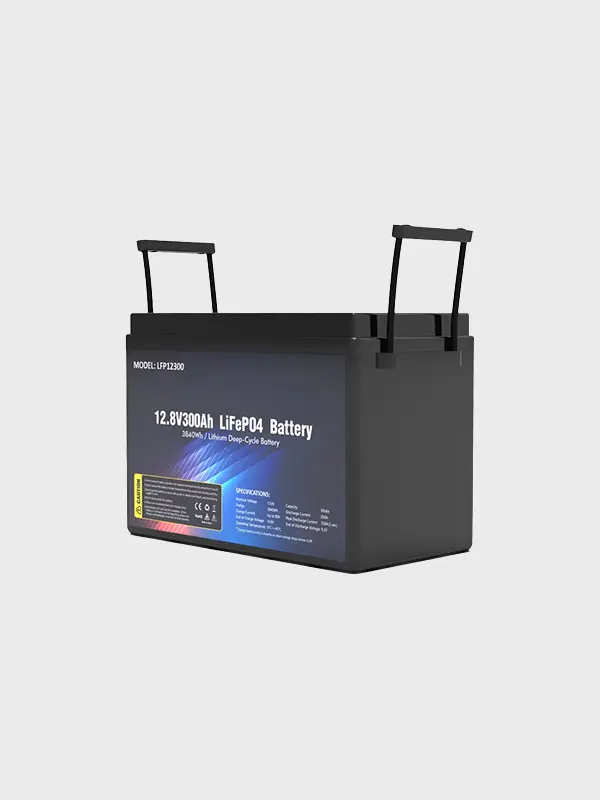
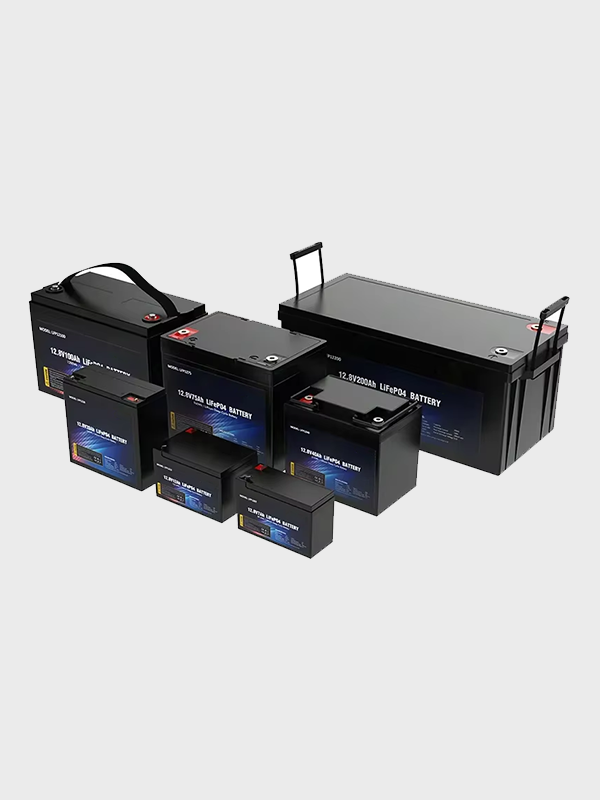
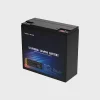
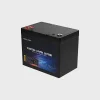
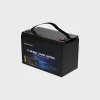
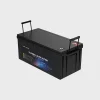
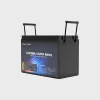
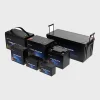
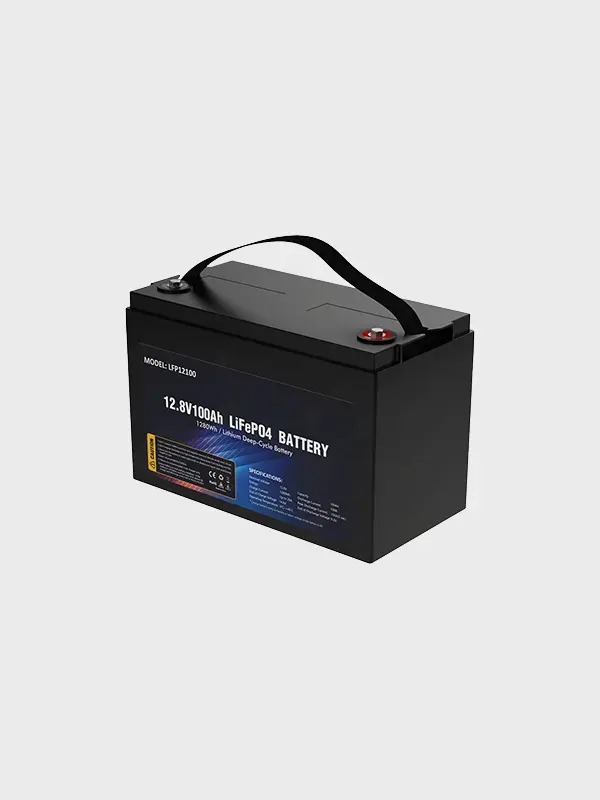
The deep cycle LiFePO4 battery serves as the optimal replacement for traditional lead acid batteries, which suffer from low energy density and short cycle life. As lead, the primary material in these batteries, is a toxic heavy metal, they pose significant environmental and health risks. In contrast, modern lithium ion batteries offer higher energy density, greater efficiency, and environmental friendliness.
Features:
- High energy density. 3-5 times energy density of lead acid batteries with the same volume.
- Super long life. Its calendar life is more than 8 years, 4-8 times longer than lead acid batteries.
- Safe and convenient. Inbuilt BMS ensures the battery safety and also realize other functional applications.
- Maintenance free. Can be connected in parallel and series to get higher power.
- Fast charging & discharging, which is greatly reduces the charging time.
- Low self discharge rate, no memory effect. Approx 2%/month self discharge rate at room temp.
- LED display indicates battery capacity and when the battery should be charged or fully charged.
- Green energy. No heavy metals as lead, cadmium, Hg and friendly to the environment.
Specifications:
| Model | LFP1210 | LFP1220 | LFP1275 | LFP12100 | LFP12200 | LFP12300 |
| Nominal Voltage | 12.8V | |||||
| Capacity | 10Ah | 20Ah | 75Ah | 100Ah | 200Ah | 300Ah |
| Energy | 128Wh | 256Wh | 960Wh | 1280Wh | 2560Wh | 3840Wh |
| Dimensions (L*W*H) | 151*65*95mm | 181*76*170mm | 260*168*211mm | 330*176*217mm | 521*238*218mm | 384*194*255mm |
| Weight | 1.3Kg | 2.2Kg | 9.8Kg | 10Kg | 20Kg | 28Kg |
| Max Continuous Discharge Current | 10A | 20A | 75A | 100A | 200A | 200A |
| Max Continuous Charge Current | 5A | 10A | 35A | 100A | 100A | 100A |
| Cut-off Discharge Voltage | 9.6±0.2V | |||||
| Cut-off Charge Voltage | 14.6±0.2V | |||||
| Charge Method | CC/CV (constant current/constant voltage) | |||||
| Charge Temperature | 0-45°C | |||||
| Discharge Temperature | -20-60°C | |||||
| Storage Temperature | -10-45°C (60-80% SOC) | |||||
| Chemistry | LiFePO4 (4S1P) | |||||
| Internal Resistance | 20mΩ | |||||
| BMS Protection | Overcharge / Overdischarge / Short Circuit / Overcurrent / Temperature | |||||
| Cycle Life | 6500+ Cycles (15 Years) | |||||
| Self-Discharge Rate | 3%/month | |||||
| LED Indicator | Voltage, Capatiry | |||||
| Battery Housing | IP65 ABS Plastic | |||||
Charging & Safety Guidelines:
Always follow these guidelines for safe operation and maximum cycle life:
- Use only a charger compatible with the charging specifications of the battery.
- Charge at standard current rate for optimal cycle life; max current rate for faster charging.
- Never charge above the maximum charging voltage to avoid overcharge.
- Do not discharge below the discharging cutoff voltage to avoid overdischarge and prevent permanent damage.
- Do not discharge above the current rating. Exceeding these limits may trigger BMS protection or cause permanent damage to the battery cells.
- Operate the battery within the specified environmental conditions (temperature, humidity, and ventilation).
- Keep the battery away from fire, open flames, radiators, and other heat sources.
- Do not expose the battery to direct sunlight for extended periods during operation.
- Store at 20±5°C for extended periods to maximize longevity. Keep humidity below 85% during storage.
- Do not disassemble, puncture, or expose to fire.
Shipping & Handling Instructions:
To ensure safe transport and compliance with international regulations, please note the following:
- The battery can be shipped by air, sea, and ground transport — subject to applicable dangerous goods regulations for lithium batteries.
- UN38.3 Compliant — The battery has been tested and certified in accordance with UN38.3 for safe air and sea transport.
- Package Properly — Use only UN-certified packaging for lithium batteries. Ensure terminals are protected against short circuits and pack securely to prevent movement during transit.
- State of Charge (SoC) — For transport, maintain the battery at ≤30% state of charge as required by IATA and IMDG regulations.
- Labeling — Packages must display the appropriate lithium battery handling labels and include emergency contact information.
- Documentation — Ensure the shipping declaration includes the proper UN number (e.g., UN3480 for lithium-ion batteries) and your dangerous goods transport documents.
- Prohibited Shipments — Damaged, defective, or recalled batteries are strictly prohibited from transport.
Storage & Long-Term Maintenance:
To ensure maximum service life and maintain optimal cell health, please follow these guidelines for extended storage:
- Optimal Temperature — Store the battery at a stable temperature between 15°C and 25°C (ideal: 20±5°C). Avoid exposure to extreme heat, direct sunlight, or freezing conditions.
- Recommended Humidity — Keep storage environment humidity below 85% to prevent moisture ingress and potential damage to the battery cells and BMS components.
- Partial Charge for Storage — For extended storage (longer than 3 months), maintain the battery at approximately 50%–60% state of charge (around the nominal voltage). Do not store fully charged or fully depleted — both conditions accelerate capacity degradation.
- Periodic Maintenance Cycle — For batteries stored over six months or longer, perform at least one full charge/discharge cycle every six months to maintain cell health. This helps recalibrate the BMS, balance the cells, and prevent voltage drift that can lead to capacity loss.
- Inspect Before Use — Before returning a stored battery to service, inspect for any signs of swelling, leakage, or damage. If the battery voltage is below the discharging cutoff voltage, it has been over-discharged and should not be reused.
💡 Why cycle stored lithium batteries? Cells naturally self-discharge over time, and the built-in BMS circuit consumes a small amount of current even when idle. In multi-cell packs, slight variations in self-discharge rates between cells can gradually cause voltage imbalances. A maintenance cycle keeps the cells electrochemically active, balances the pack, and prevents capacity loss or degradation.
Reviews
There are no reviews yet.